
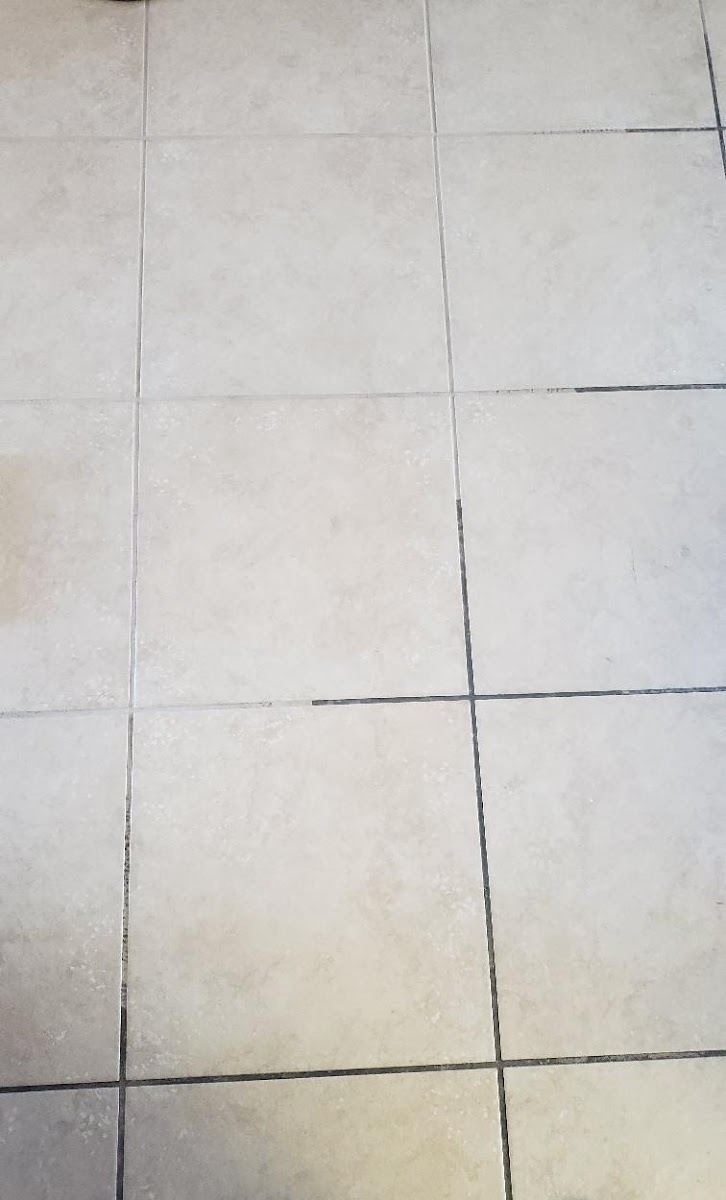
Luxury vinyl plank and tile have taken over Fresno and Clovis homes for good reason: they look like wood or stone, they shrug off spills, and they hold up to kids and pets. But "low maintenance" gets misread as "indestructible," and I see the results on service calls all over the Central Valley — cloudy floors, lifting edges, and that sticky film no mop seems to fix.
I'm Michael, the owner. I've been doing this since 2019, and most of the LVP and LVT damage I run into wasn't caused by wear. It was caused by well-meaning cleaning habits. Here's what not to do, and what to do instead.
Don't soak it
LVP and LVT are water-resistant on the surface, not waterproof underneath. The planks float over a subfloor and meet at seams and edges. Flood the floor with a soaking-wet mop or a bucket of standing water and that moisture finds the seams, works under the planks, and sits on the subfloor where it can swell edges or loosen the adhesive on glue-down tile.
Takeaway: damp-mop, don't drown. Wring the mop until it's barely wet, and dry up standing water along baseboards and transitions instead of letting it air-dry.
Skip the steam mop
This is the one that costs people the most. Steam mops are marketed as safe for everything, but heat and forced moisture are exactly what vinyl flooring doesn't want. Steam can soften the wear layer, push moisture into the seams, and on some products it voids the manufacturer's warranty outright.
If your floor already looks hazy or feels tacky after steaming, that's usually softened finish or trapped residue — not dirt. Takeaway: leave the steam mop in the closet and check your flooring warranty before you ever use heat on LVP or LVT.
Lose the wax, polish, and harsh chemicals
LVP and LVT come with a factory wear layer that's meant to be the finish. Adding wax or floor polish on top doesn't protect it — it builds a film that traps dirt, yellows over time, and is miserable to strip back off. The same goes for harsh stuff: undiluted bleach, ammonia, pine-oil cleaners, and 'mop and shine' products leave residue or attack the surface.
A mild pH-neutral floor cleaner, or just warm water, handles routine dirt. Takeaway: if a product promises shine, it's probably leaving something behind. Plain and neutral wins. The same restraint applies to your other hard surfaces.
Don't drag the grit around
The fastest way to wear out an LVP floor is to grind the dirt into it. Sand and grit tracked in from a Central Valley summer act like sandpaper under shoes and furniture, scratching the wear layer. People then 'clean' by pushing that grit around with a mop, which just polishes the scratches in.
Takeaway: dry sweep or vacuum (hard-floor setting, beater bar off) before you ever wet-clean. Felt pads under furniture legs and a doormat at the door do more for the floor's lifespan than any cleaner.
Don't reach for the scrub pad or magic eraser
When a scuff or dried spill won't budge, the instinct is to grab a stiff brush, an abrasive pad, or a melamine 'magic' sponge. All three are mildly abrasive and will dull the finish in that spot, leaving a visible matte patch that catches light differently than the rest of the floor.
Takeaway: work scuffs with a soft cloth and a little neutral cleaner first, and give it time to soften. For ground-in pet messes or odor that's reached the seams, that's worth a closer look — see pet odor and stain removal before you scrub a permanent mark into the plank.
When to call instead of scrubbing harder
If your LVP or LVT looks dull no matter how you clean it, there's almost always a residue or film involved — old polish, hard-water minerals, or product buildup — and the answer is removing that gently, not scrubbing harder. That's the work I do with a controlled, low-moisture process and the right neutral solution, so the floor reads clean without leaving a new film behind.
I'm owner-operated, so the person who answers the phone is the person who shows up. Takeaway: if you're in Fresno, Clovis, or anywhere in the Central Valley and the floor isn't responding, call me at (216) 483-2200 before you experiment with something harsher. Learn more about LVP and LVT cleaning or hard surface floor cleaning.
Frequently Asked Questions
I'd avoid it. Heat and forced moisture can soften the wear layer, drive water into the seams, and on many products it voids the manufacturer's warranty. A wrung-out damp mop with a neutral cleaner does the job without the risk. Check your flooring's warranty before using any heat on it.
Warm water alone handles most routine dirt. When you want a little more, a mild pH-neutral floor cleaner is the safe choice. Skip wax, polish, 'mop and shine' products, bleach, ammonia, and pine oil — they leave film or attack the surface. Always dry sweep or vacuum first so you're not grinding grit into the finish.
That's usually buildup, not wear. Old floor polish, hard-water minerals, or 'shine' products leave a film that traps dirt and clouds the surface, and scrubbing harder makes it worse. The fix is gently removing the residue with the right neutral solution and a low-moisture process. If you're in the Fresno or Clovis area, I'm happy to take a look — call me at (216) 483-2200.

