

Carpet Repair & Reinstallation in Fresno, CA
Fix wrinkles, ripples, loose carpet, and doorway transitions — no need to replace the whole floor.
Why Carpet Repair & Reinstallation Matters
Carpet repair fixes rippled, wrinkled, or loose carpet by professionally re-stretching and re-securing it — so you usually don’t need to replace the whole floor. Left alone, loose carpet is a trip hazard and wears unevenly.
SurfaceTech handles common carpet repairs: re-stretching loose or wrinkled carpet, securing transitions, and installing reducers between rooms. Reviewers have called on us for exactly this — “installed rubber reducers in two doorways” — alongside our cleaning work.
Repairs we handle
- Carpet stretching & re-stretching
- Wrinkles & ripples
- Loose carpet
- Doorway transitions
- Rubber reducers
- Room-to-room thresholds
- Minor reinstallation
- Move-in / move-out fixes
Those ripples aren't just ugly — they're wearing your carpet out and waiting to trip someone
Most folks call me about wrinkled carpet because it looks bad. That's fair. But the bigger issue is what a loose, rippling carpet does over time. Every ridge that buckles up off the floor becomes a high spot that foot traffic grinds on, so the fibers in those ripples wear thin and fray years before the rest of the room does. Once the backing separates from the cushion underneath, that section is on borrowed time.
The other half is safety. A ripple across a hallway or at the top of a staircase is a real trip hazard, and that worries me most in homes here in Fresno and Clovis with little kids, older parents, or anyone moving a walker or wheelchair across the room. Re-stretching pulls the carpet drum-tight again, takes the trip risk off the floor, and lets the whole carpet wear evenly so you get the years out of it you paid for. I'd rather re-stretch a carpet you already own than have you replace a floor that had plenty of life left.
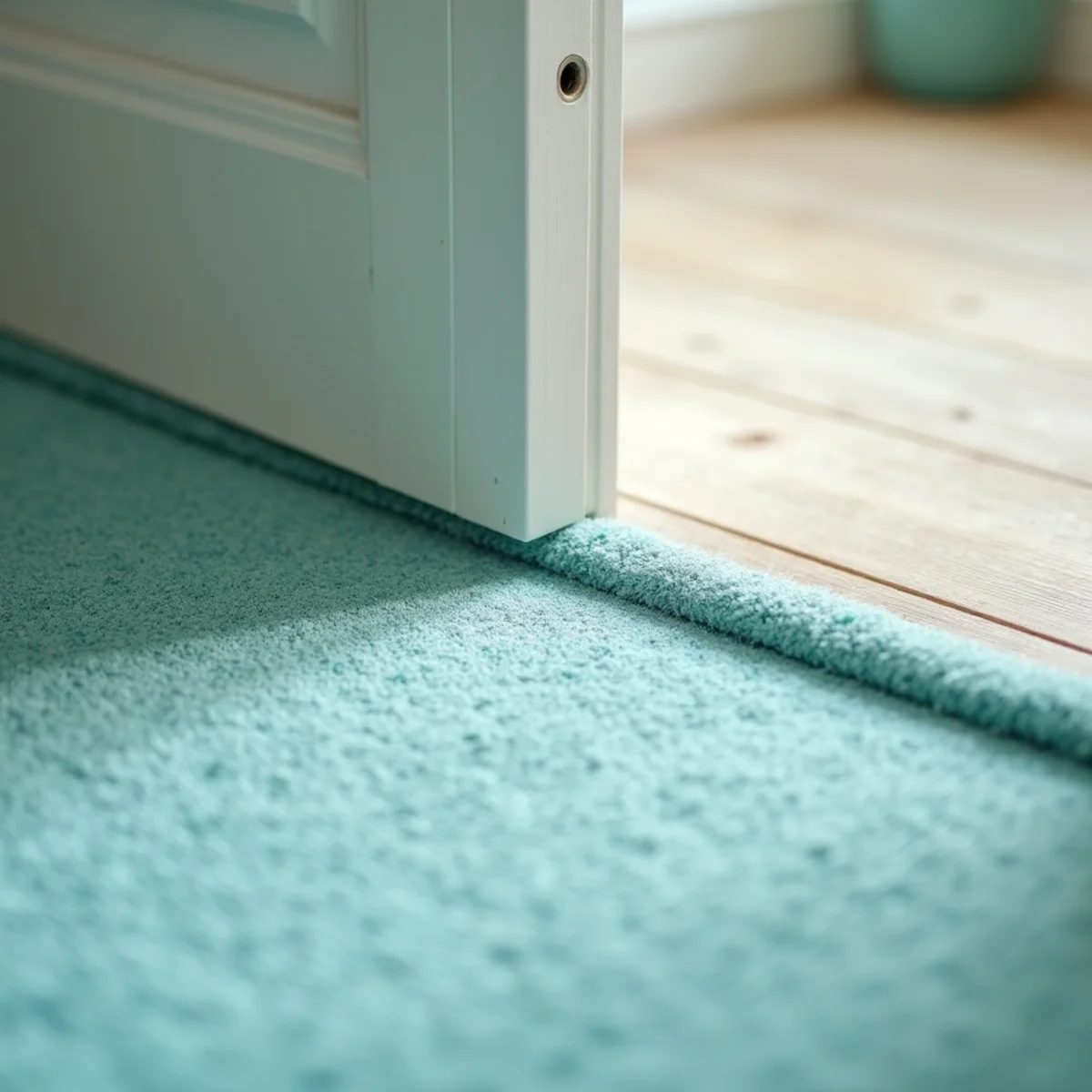
- Loose carpet wears unevenly — the raised ripples grind down and fray long before the rest of the room does.
- Ridges and buckles in walkways and on stairs are a genuine trip hazard for kids, seniors, and anyone using a walker or wheelchair.
- Carpet that's pulled tight again sits flat and wears evenly, so you get more years out of flooring you already own instead of replacing it.
- Re-securing carpet that's pulled off the tack strip keeps the backing from delaminating and the edges from fraying further.
- Re-stretching is almost always less disruptive than tearing out and reinstalling a whole room.
What a carpet repair visit actually includes
Every room is a little different, so here's what I'm doing when I come out for repair or reinstallation work — the concrete things, not the generic carpet-cleaning checklist.
Honest walk-through and assessment
I look at the whole room first, find the real cause of the ripples or loose edges, and tell you straight whether it's a quick re-stretch or something bigger before any work starts.
Furniture moving for the work area
I move the furniture I need to get under to pull the carpet tight, and put it back where it belongs when I'm done.
Power-stretch re-tensioning
I use a power stretcher — not just a knee kicker — to pull the carpet drum-tight across the room and re-hook it on the tack strips so the ripples don't come right back.
Trimming and re-securing edges
Once it's tight I trim the excess along the walls and tuck and re-secure the edges so they sit clean against the baseboard.
Doorway transitions and reducers
I refasten or replace the metal or rubber transition strips and reducers where carpet meets tile, vinyl, or hardwood so there's no loose lip to catch a toe.
Patching and spot repair
For burns, tears, or pet-damaged spots I cut out the bad section and plug in a matching piece, ideally from a closet or a leftover remnant so the texture and color blend in.
Seam repair
I re-bond split or peaking seams with fresh seam tape and heat so the two pieces lie flat and stay joined.
Reinstallation and re-tacking
If carpet has pulled away from the tack strip or padding has shifted, I re-lay it, replace damaged tack strip or padding as needed, and re-secure the whole area.
Our Carpet Repair Process
Steps may vary by surface, soil level, and your home’s specific needs.
- 11
Assess the issue
We look at the wrinkles, transitions, or loose areas and explain the fix.
- 22
Stretch or repair
We re-stretch and re-secure the carpet or install the needed transition.
- 33
Finish transitions
We set reducers and thresholds cleanly between rooms.
- 44
Clean if desired
Many customers add a cleaning so the repaired area looks its best.
Why this matters in Fresno, Clovis, and across the Central Valley
Our Valley weather is hard on carpet. Long, hot Fresno summers with the AC running and dry indoor air, then the swings into cooler, damper winter months, make carpet backing expand and relax over and over — and that's exactly what loosens a carpet and starts the ripples. Add a lot of homes built in the same few decades around Clovis and northeast Fresno where the original carpet was stretched once and never touched again, and re-stretching is one of the most common calls I get.
I'm Michael Recek, and I've run SurfaceTech as an owner-operated shop here since 2019. When you book a repair, the person who picks up the phone is the same IICRC-trained tech who shows up at your door and does the work — no rotating crews, no handing it off. I serve Fresno, Clovis, and the surrounding Central Valley, and because it's just me, I'll tell you honestly whether a repair is worth doing or whether you'd be better off putting the money toward new carpet.
Repairs I handle
Carpet repair isn't one job — it's a handful of different fixes depending on what's wrong. Here's what I take on and what each one involves.
Re-stretching (power stretch)
For ripples, waves, and buckles, I power-stretch the carpet tight again and re-hook it on the tack strips so it lies flat — a knee kicker alone usually lets the ripples creep back.
Doorway transitions & reducers
Where carpet meets tile, vinyl, or hardwood, I refasten or swap out the metal or rubber transition strip so there's no loose lip to trip on or fray.
Patching & spot repair
For burns, tears, and pet-damaged areas, I cut out the bad spot and plug in a matching piece, blending best when there's a closet or leftover remnant to source from.
Seam repair
Split, peaking, or fraying seams get re-bonded with fresh seam tape and heat so the joined pieces sit flat and stay together.
Reinstallation & re-tacking
When carpet has pulled off the tack strip or the padding has shifted or failed, I re-lay it and replace worn tack strip or padding so the whole area is secured properly again.
I focus on repair and reinstallation of carpet you already have. If a floor is too far gone to repair well, I'll tell you honestly rather than sell you a fix that won't hold.
Keeping repaired carpet flat and lasting longer
- Save your leftover carpet remnants and any closet scraps — they're the best source for an invisible patch later, since the color and texture already match.
- If you spot a small ripple starting, call sooner rather than later; a single early ripple is a quick re-stretch, while a room full of waves is a bigger job.
- Use furniture glides or sliders when you rearrange a room so you're not dragging heavy pieces across the carpet and pulling it loose at the edges.
- Vacuum and address spills on a fresh patch or seam gently for the first week or so to let the seam tape and adhesive fully set.
- In our dry Valley heat, running a bit of humidity in the home and not blasting the AC straight onto the floor can slow how fast carpet backing loosens up.
- Keep an eye on doorway transitions — a transition strip that's working loose is easy to refasten now and a trip hazard if you leave it.
Common carpet problems, and how I fix them
If you're trying to figure out what's actually going on with your floor, this is a quick guide to the problems I see most and what the fix looks like.
| Problem | Likely cause | Our fix |
|---|---|---|
| Ripples, waves, or buckles | Carpet stretched loose over time from heat and humidity swings, or never power-stretched at install | Power-stretch the whole room tight and re-hook on the tack strips, then re-trim the edges |
| Loose edge pulling away from the wall | Carpet released from the tack strip, often near doorways or in high-traffic paths | Re-stretch and re-secure the edge to the tack strip; replace the strip if it's broken |
| Split or peaking seam | Original seam tape failed or seam was under foot traffic | Re-bond the seam with fresh tape and heat so both sides lie flat |
| Burn, tear, or pet-damaged spot | Pet accidents, cigarette or iron burns, snags and tears | Cut out the damaged section and patch in a matching piece, ideally from a closet or remnant |
| Loose or missing doorway transition | Worn or detached metal/rubber reducer where carpet meets another floor | Refasten or replace the transition strip or reducer for a flush, trip-free edge |
| Lumpy or shifting feel underfoot | Padding has bunched, compressed, or failed underneath | Re-lay the carpet and replace the damaged padding section, then re-secure |
Honest heads-up: some set-in stains, dye damage, and badly faded or worn-out carpet can't be made to look new — and when there's no matching remnant, a patch will be functional but may not be a perfect color match. I'll always tell you upfront what's realistic before I start.
An owner who shows up
Reviewers describe Michael as someone who “cares about his professionalism as a floor man.” Carpet repair is detail work, and an owner-operated visit means it’s done carefully and accountably.
“Best carpet cleaner of all time. My carpet looked old and beyond saving but he brought it back to life. Professional, kind, and the pricing was very fair.”
“Best carpet cleaning around! Fast and amazing job. I will only be calling Surface Tech Cleaning LLC.”
Related Services
Areas We Serve
Carpet Repair FAQs
Yes — most ripples are fixed by professionally re-stretching the carpet, which also helps it wear evenly.
We do. Reducers and transitions between rooms are a common repair we handle, as our reviews note.
Often not. If the carpet is otherwise in good shape, re-stretching or a transition repair is far cheaper than replacement.
Usually yes — many customers combine a repair with a cleaning. Mention both when you request your estimate.
In most cases I can re-stretch it. If the carpet itself is still in decent shape and just rippling or buckling, power-stretching pulls it tight again and the wrinkles go away — no need to replace the whole floor. I'll take a look first and tell you honestly if re-stretching makes sense or if the carpet is too worn to be worth it.
It depends on what I have to patch with. When there's a leftover remnant or I can pull a piece from a closet or under furniture, the patch blends in very well and most people can't find it. Without matching material the patch will be solid and secure but may not be a perfect color match, and I'll always show you what to expect before I cut anything.
A knee kicker is a small tool for tight spots and minor adjustments — it's what some folks try on their own. A power stretcher spans the whole room and pulls the carpet far tighter and more evenly, which is why ripples come back fast after a knee-kicker-only fix but tend to stay gone after a proper power stretch. I use the power stretcher for re-stretching work.
Often, yes. For torn or chewed spots I cut out the damage and patch in a matching piece. Pet stains are more case-by-case — some lift and some are set in permanently, especially if they reached the backing or padding. If a spot can't be cleaned out, patching that section is usually the better route, and I'll be straight with you about which one applies.
Fix it before you replace it
Call SurfaceTech Cleaning LLC today for professional carpet, tile & grout, upholstery, and floor care in Fresno, Clovis, and the surrounding Central Valley.