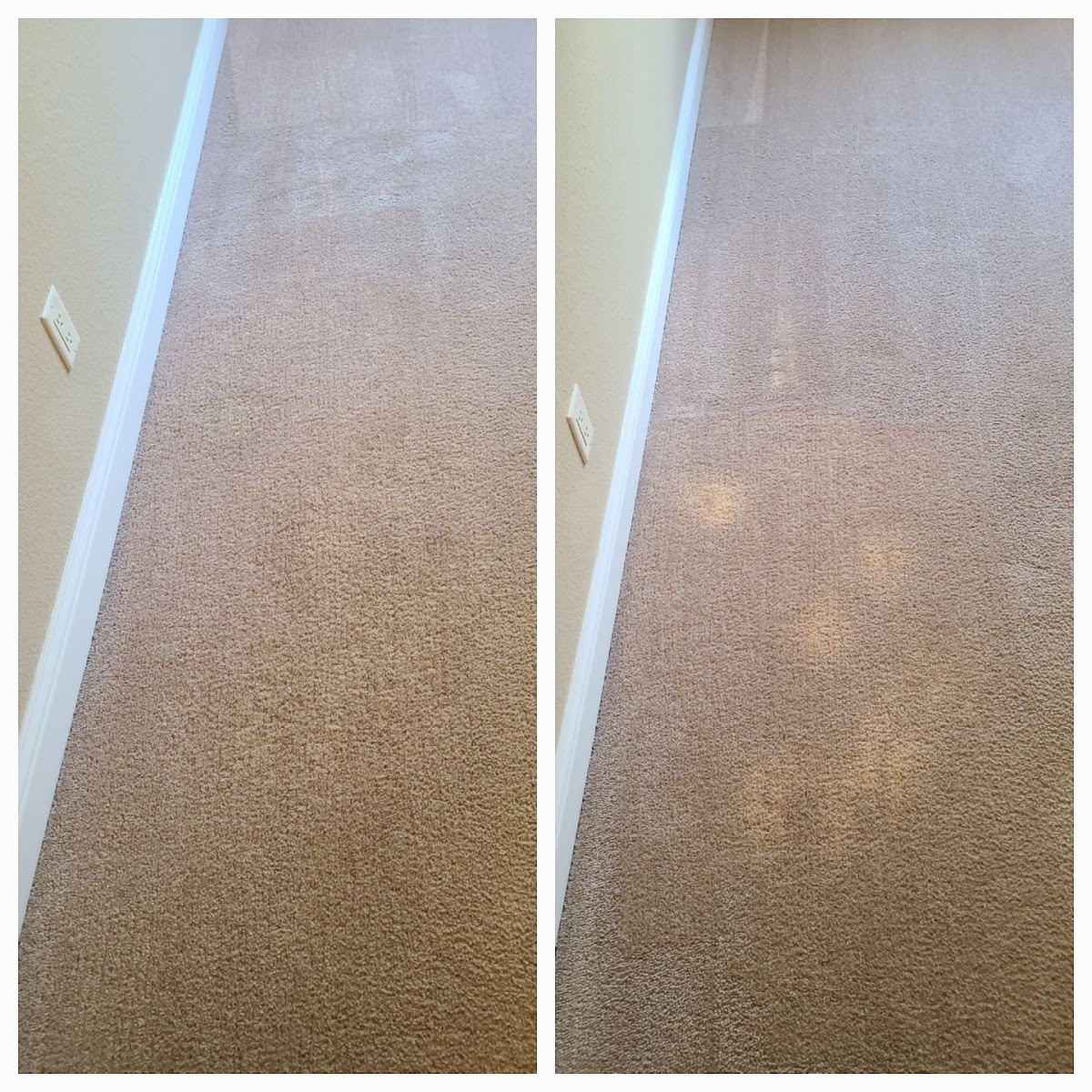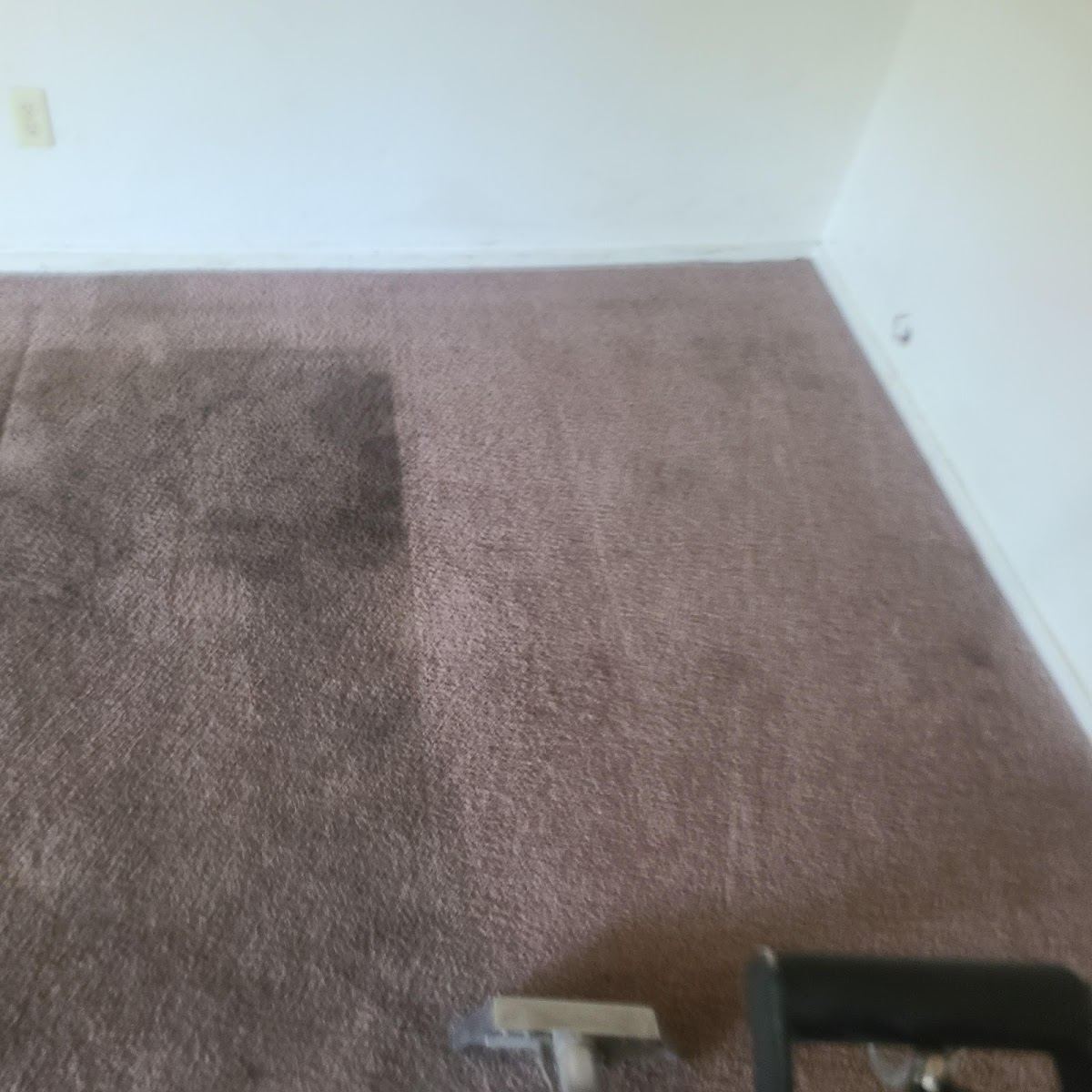
I get this call a lot around Fresno and Clovis: someone had their carpet cleaned, it looked great for a day or two, and then the smell came creeping back. Sometimes it's worse than before. It's frustrating, and I understand why people start to wonder if cleaning even works.
The honest answer is that surface cleaning only treats what it can reach. If a smell keeps coming back, the source is almost always sitting deeper than the carpet fibers. Let me walk you through what's actually happening and how I deal with it.
The smell lives in the pad, not the carpet
Carpet has three layers: the fibers you see, the backing, and the foam pad underneath sitting on your subfloor. When a pet accident, a spilled drink, or a leak soaks through, the liquid passes right through the fibers and pools in the pad. The pad acts like a sponge.
A standard cleaning agitates and rinses the top fibers, so the carpet looks and smells fine while it's damp. But as it dries, moisture and odor from the pad wick back up to the surface. That's the smell returning a day later.
Takeaway: if a smell comes back after drying, stop treating the surface and start thinking about what's underneath it.
Pet odor is a chemical problem, not just a dirt problem
Pet urine is the most common culprit I see, and it doesn't behave like normal soil. As it dries it crystallizes, and those crystals reactivate and smell every time the air gets humid. You can rinse the visible spot and the crystals deep in the backing and pad are still there.
This is why a general carpet cleaning often won't fully solve a urine smell. It needs an enzyme treatment that breaks down the crystals where they sit, and sometimes the pad needs to come up. I handle this work directly under pet odor and stain removal, because it's a different job than routine carpet cleaning.
Takeaway: for pet smells, ask whether the treatment actually neutralizes urine crystals, not just cleans the fiber.
Too much water or too little drying makes it worse
Here's the part nobody likes to hear: an over-wet carpet that dries slowly can smell musty on its own, even with no pet involved. If a previous cleaning left the carpet saturated and it sat damp for a day in a closed-up Central Valley house, you can get mildew growth in the backing and pad.
That's why I run hot-water extraction with proper suction passes to pull the moisture back out, not just push cleaner in. The goal is a carpet that's damp, not soaked, and dry within hours.
Takeaway: drying matters as much as cleaning. Run fans, open it up, and don't walk on it until it's dry.
Sometimes it isn't the carpet at all
Before you replace anything, rule out the easy stuff. Musty smells can come from a leaking dishwasher or water heater, a slow plumbing drip under a slab, HVAC return vents, or a damp subfloor from an old roof or window leak. I've shown up to a 'carpet smell' that turned out to be water under the floor.
If there's been any water intrusion, that's a water damage situation, and cleaning the carpet won't touch the real source.
Takeaway: if the smell is in a specific spot near plumbing or an exterior wall, check for a moisture source first.
What I actually do about it
When I get a recurring-odor call in Fresno, Clovis, or anywhere in the Central Valley, I start by finding the source instead of just recleaning. I check for moisture, look for pet history, and figure out whether the odor is in the fiber, the pad, or the subfloor.
From there the fix might be an enzyme treatment, a deeper extraction, sealing the subfloor, or replacing a section of pad. I'm a one-person, owner-operated shop, so the person diagnosing the problem is the same person doing the work. If you want to talk it through, I'm at (216) 483-2200. You can also read more about how I approach lingering smells on my odor control page.
Takeaway: the right fix depends on where the odor lives, so the first step is diagnosis, not another reclean.
Frequently Asked Questions
Usually because cleaning reintroduced moisture that reactivated odor sitting in the pad or backing, like dried pet urine crystals. The water wakes the smell up. It means the source is deeper than the fibers and needs a targeted treatment, not just another surface clean.
I won't promise that, because deep contamination in the pad or subfloor sometimes needs more than cleaning, like enzyme treatment or replacing a section of pad. What I will do is find the source honestly and tell you exactly what it'll take, including when the carpet isn't the real problem.
With proper extraction, most carpets are dry within a few hours up to about a day, depending on humidity and airflow. Running fans and keeping the room ventilated helps a lot. If a carpet stays damp longer than that, it can start to smell musty, which is why drying is part of doing the job right.